The Challenge
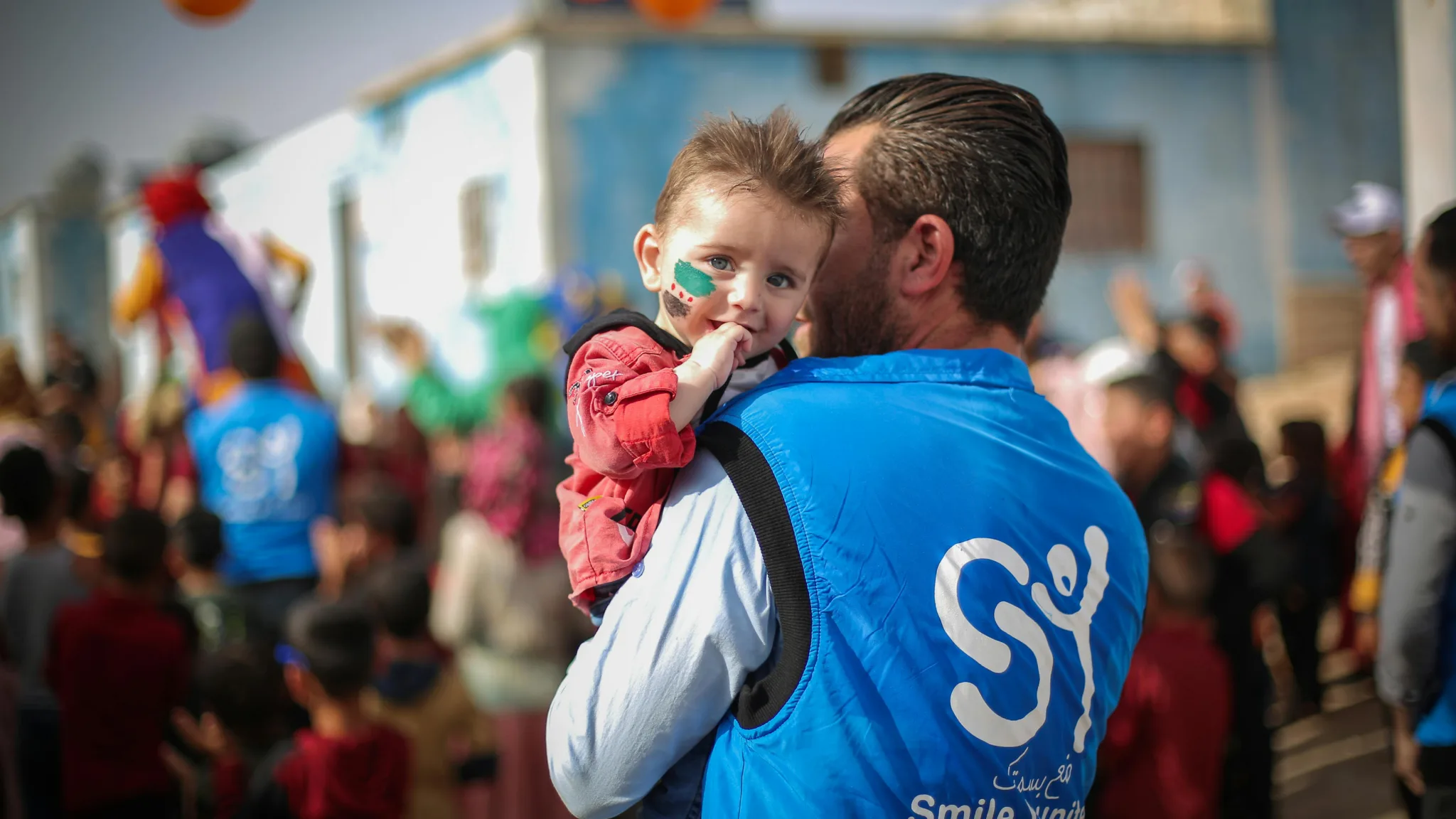
A children’s charity required support to strengthen its business continuity arrangements following an initiative by AVIVA. As a mission-led organisation supporting vulnerable children and families, the charity needed to ensure that disruption to its operations would not prevent it from continuing to deliver critical services.
The existing business continuity arrangements required a structured review to assess whether policies, processes, roles, responsibilities and recovery procedures were sufficiently robust. Key areas of concern included IT resilience, workforce availability, financial continuity, operational dependencies and the charity’s ability to respond effectively during a major incident.
Our Approach
Horizonscan conducted an in-depth review of the charity’s existing business continuity documentation, policies and working practices. The review assessed current arrangements against recognised good practice and the principles of ISO 22301:2019, the international standard for business continuity management.
The assessment identified areas where the charity could improve its preparedness, including clearer business continuity governance, improved risk management, better-defined recovery priorities and more structured incident response processes.
Following the review, Horizonscan developed a follow-up proposal setting out a practical roadmap to improve the charity’s resilience. Recommended activities included:
- Establishing a formal Business Continuity Policy.
- Conducting a Business Impact Analysis to identify critical activities and recovery requirements.
- Updating the charity’s Business Continuity Plan.
- Reviewing IT resilience and key operational dependencies.
- Strengthening workforce and financial continuity arrangements.
- Delivering a Crisis Simulation Exercise to test plans and improve confidence.
Providing a clear roadmap to protect critical services when they are needed most.
The Outcome
The charity received a clear, structured pathway to improve its business continuity capability. The recommendations provided a practical foundation for developing more mature, proportionate and effective resilience arrangements.
By focusing on policy development, operational priorities and scenario-based testing, the charity was better positioned to prepare for disruptive events, protect essential services and continue fulfilling its mission during periods of crisis.
The proposed improvement programme also gave the charity a stronger framework for engaging trustees, senior leaders, staff, insurers and other stakeholders in business continuity planning.