
Business Continuity Planning
Practical continuity arrangements that protect your critical operations and help your teams respond with confidence.

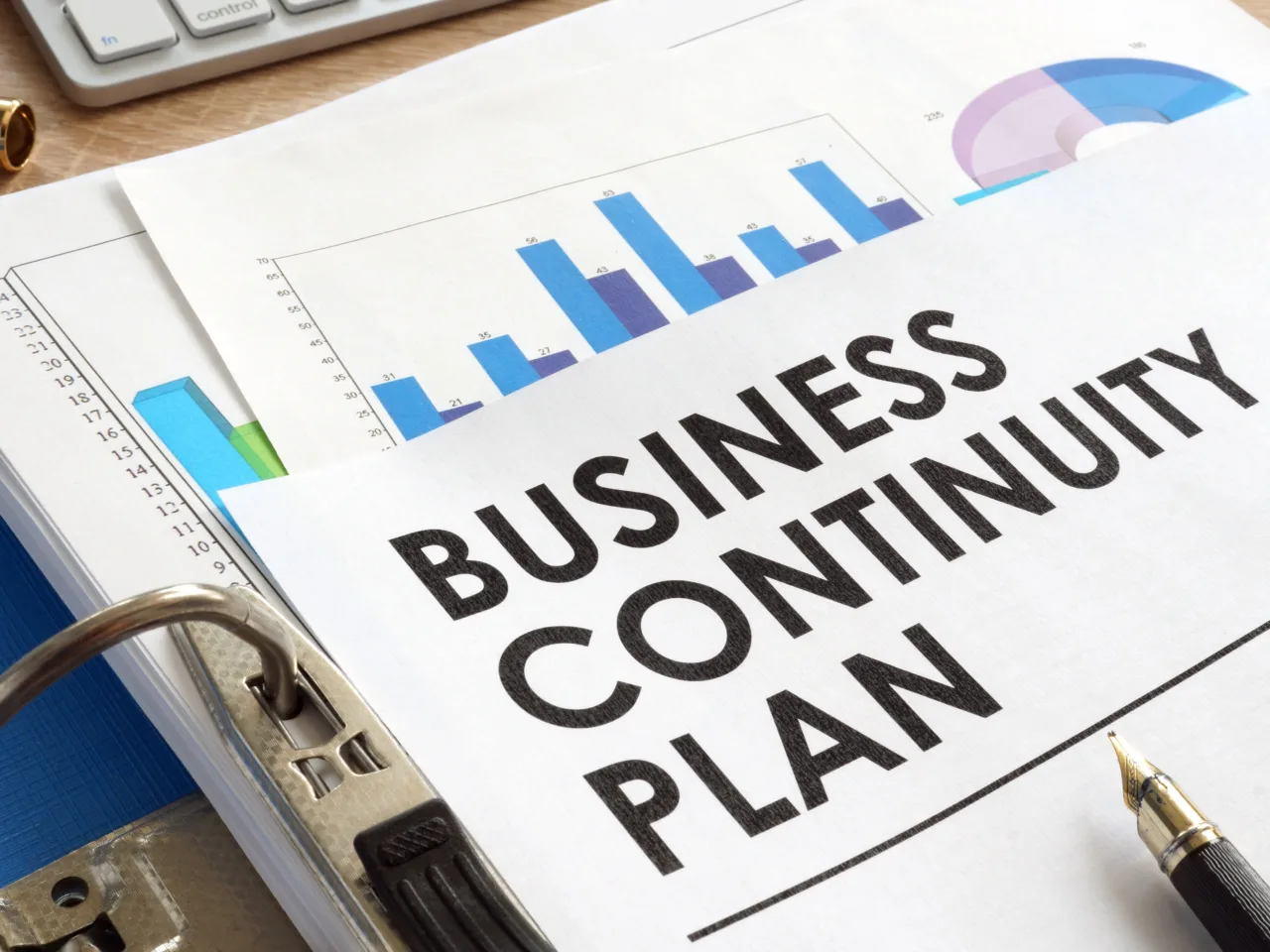
Business continuity planning is the work of identifying the operations your organisation cannot afford to lose, then putting practical arrangements in place to keep them running through disruption. Horizonscan builds continuity programmes for organisations facing supply chain failure, cyber incidents, severe weather or the loss of a key site plans that are simple enough to use under pressure and thorough enough to rely on.
Our Approach to Continuity Planning
We do not build plans that sit on a shelf gathering dust. Our work starts with understanding your organisation, its priorities, its dependencies and the disruption scenarios most likely to affect it. From there we design continuity strategies proportionate to your size and sector, document them clearly and test them properly.
What you are left with is a living programme that evolves with your organisation, on a review and exercise cycle your team can realistically sustain.
How We Build Your Programme
Who This Service Is For
Most organisations come to us at one of five points. Find yours below.

Understanding Your Critical Operations
A Business Impact Analysis is the foundation of every continuity programme. It establishes which of your activities matter most, what disruption to them actually costs, and how quickly each one needs to be back.
We work alongside your teams to map the dependencies behind those activities: people, technology, suppliers, premises, information and specialist equipment. That map shows where your organisation is genuinely vulnerable and where resilience investment will return the most.
Designing Recovery Strategies
Once your priorities and dependencies are clear, we develop recovery strategies for each critical function.
These may include alternative ways of working, supplier contingencies, technology recovery arrangements, relocation options, manual workarounds, escalation processes and stakeholder communications. The test we apply to each one is whether it is achievable in a real disruption by the people who will actually be on shift.

Documentation and Governance
We produce clear Business Continuity Plan documents that define roles, responsibilities, escalation routes, decision-making authority and response procedures.
Plans can include contact trees, resource requirements, recovery actions, communication processes, activation criteria and maintenance arrangements. Where you are working towards certification, the documentation can be aligned with ISO 22301 and its supporting governance expectations; see our ISO certification support.
The best Business Continuity Plans are not the longest ones. They are the ones your people can understand, activate and rely on under pressure.
Testing, Exercising and Improvement
A plan that has not been tested is a plan you cannot fully rely on.
We facilitate exercises ranging from a short walkthrough to a full scenario-based simulation. These validate your arrangements, build confidence across your teams and surface practical improvements while the stakes are still low. For a more demanding test of your response, our crisis simulation exercises put leadership teams under realistic pressure.
Each exercise concludes with an After-Action Report setting out what worked, what did not, and which improvements to prioritise. You can see how this plays out in practice in our case study on business continuity planning for a printing and manufacturing business.
What You’ll Receive
Why Work With Horizonscan?
Horizonscan brings together practical expertise in business continuity, crisis management and organisational resilience. Our consultants and associates have built and tested continuity arrangements across manufacturing, food production, charity, media and automotive organisations.
We are an employee-owned, ISO 22301-certified consultancy, which means we maintain the same standard we help our clients reach. We will support you from the first Business Impact Analysis through plan development, exercising, ISO alignment and the years of quiet maintenance that follow.
Related Services
Crisis Management
Frameworks, plans and training that help leadership teams make clear decisions under pressure.

Crisis Simulation
Realistic exercises that test your plans, strengthen team confidence and reveal opportunities for improvement.

ISO Support
End-to-end support to help you prepare for, achieve and maintain recognised ISO standards.