
Crisis Simulation Exercises
Test your plans, challenge your teams and build the confidence to respond under pressure.
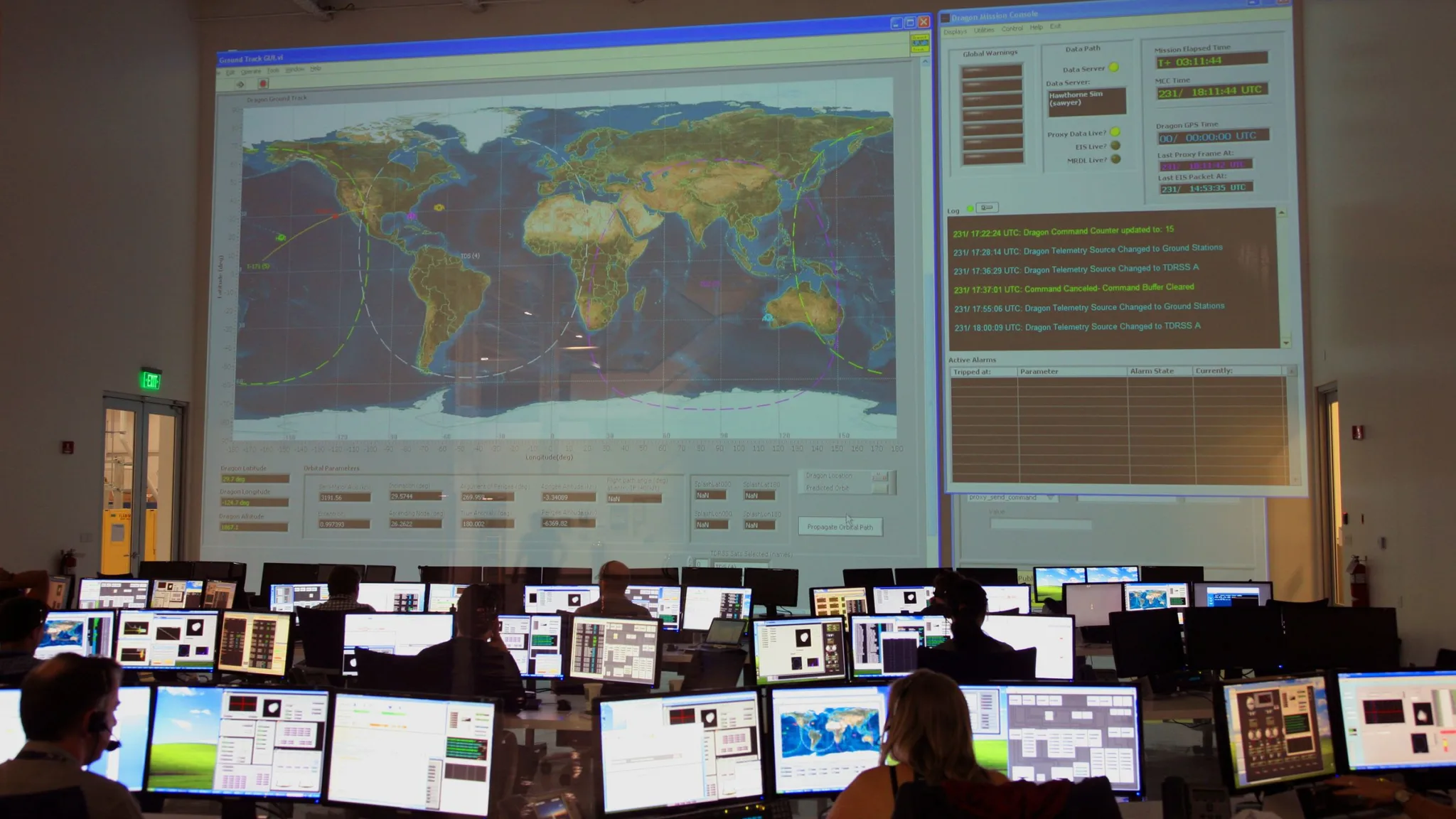
A crisis simulation exercise is a controlled rehearsal of a serious incident, run against your own plans and with your own people. It is the only reliable way to find out whether your arrangements work before the day you need them. Horizonscan designs and facilitates exercises that validate your plans, stretch your decision-making and leave your teams more confident than they started.
Our Approach to Exercising
Every exercise we design starts with your organisation’s risk profile, sector context, operating model and the plans you already hold. We build scenarios that feel authentic rather than generic, then let them unfold in a way that asks your teams to decide, communicate and coordinate as the situation changes around them.
Whether your teams have never exercised before or are ready for something considerably harder, we scale the complexity to your maturity, your objectives and the time you can realistically give it.
Types of Exercise
A progressive range of formats, so your organisation can build capability over time.
Who This Service Is For
Most organisations come to us at one of five points. Find yours below.
Scenario Design
The right scenario makes all the difference.
We draw on experience across sectors to build scenarios that feel authentic to the people in the room. Common themes include cyber incidents and ransomware attacks, loss of key premises or infrastructure, supply chain disruption, severe weather, product safety or contamination events, adverse media coverage and the loss of critical personnel.
Each scenario is built around a Master Scenario Events List — the timeline that maps how the situation evolves and where the injects, escalation points and decision moments fall.
Facilitation and Observation
Our consultants facilitate with a focus on learning, not blame.
Participants need to feel able to test a decision, reach the limits of the current arrangements and say so. While that happens, our facilitators and observers record evidence on communication, decision-making, information flow, role clarity, coordination and how well the plan actually held up.
Those observations feed straight into the debrief and the improvement recommendations.

After-Action Reporting
Every exercise closes with a structured debrief and a written After-Action Report.
The report sets out what worked, which gaps appeared and which improvements deserve priority. It gives your leadership team a clear read on organisational readiness and a route to strengthening it. It also serves as evidence for board reporting, audit, and ISO certification, where exercising is an explicit requirement of ISO 22301.
Exercises work best against arrangements that already exist. If your plans need building or refreshing first, start with business continuity planning or crisis management.
The purpose of an exercise is not to catch people out. It is to help them perform better when it matters.
What You’ll Receive
Why Work With Horizonscan?
Horizonscan brings together practical experience across crisis management, business continuity, emergency response, corporate security and organisational resilience. Our facilitators have run the real thing as well as the rehearsal.
We design exercises that are realistic, proportionate and constructive. The measure of a good exercise is not whether the plan survived it, but whether your people are better prepared afterwards.
Related Services

Business Continuity
Practical continuity plans that help you protect critical operations, reduce downtime and recover in a structured way.
Crisis Management
Frameworks, plans and training that help leadership teams make clear decisions under pressure.

ISO Support
End-to-end support to help you prepare for, achieve and maintain recognised ISO standards.