
Insights
Expert thinking from our team on business continuity, resilience and crisis management
Expert thinking from our team on business continuity, resilience and crisis management
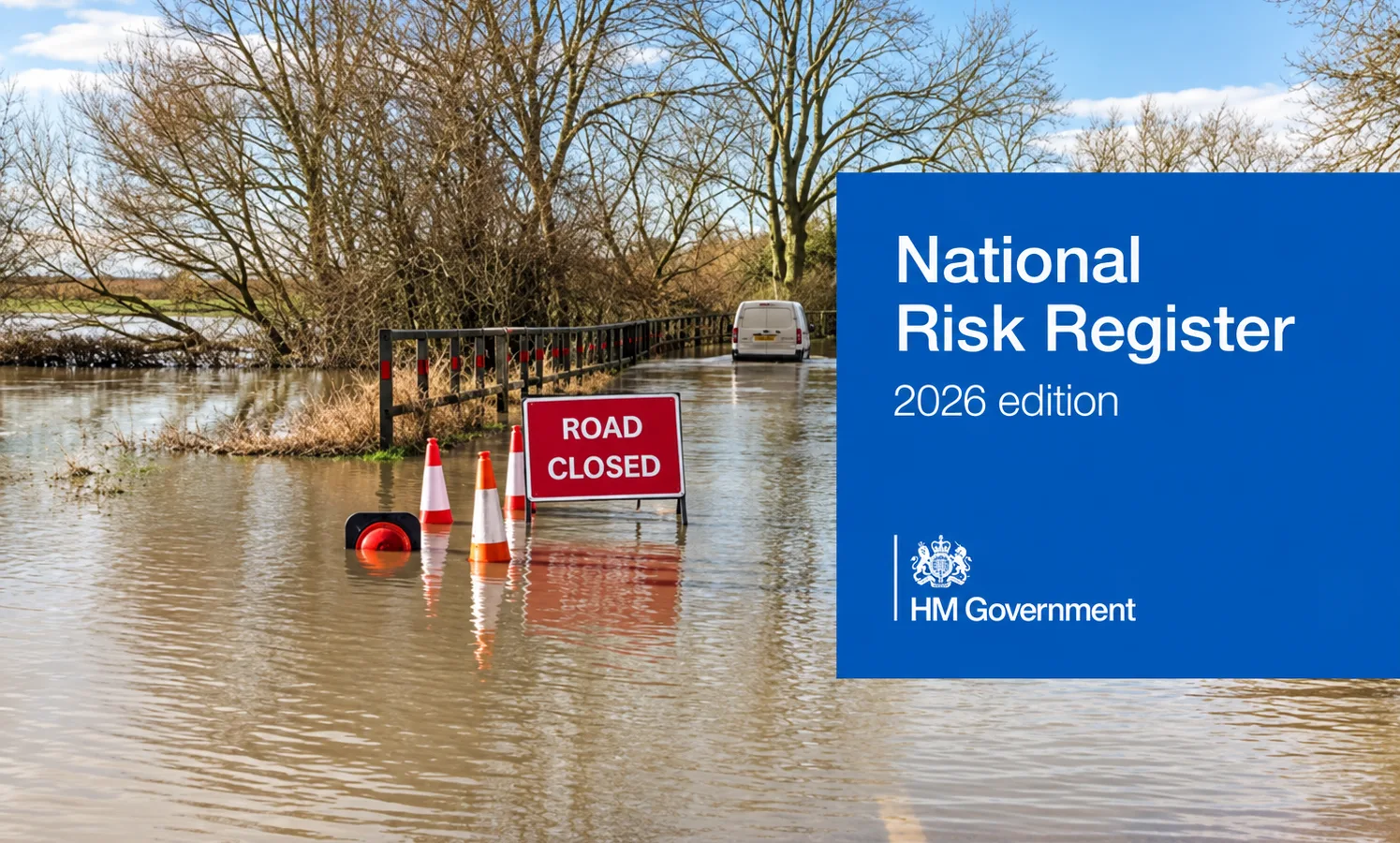
Published on 14 July and updated on 12 August, the UK National Risk Register 2026 sets out the Government’s assessment of the most serious risks that may affect the UK and its interests. It is explicitly intended for risk and resilience practitioners, including businesses and voluntary and community sector organisations.

August can appear quieter on the calendar, but it is often a revealing month for operational resilience.

With the UK having just experienced an extreme heatwave, July is a timely opportunity to remind ourselves that disruption doesn’t always hit with one big bang. Instead, it can creep up on organisations day by day, unfolding through a series of escalating yet familiar stressors:…

Earlier this month, we attended the 2026 Airmic (Association for Insurance & Risk) Annual Conference at the ICC in Birmingham.

Horizonscan Limited

Risk has always been part of human life. What has changed over time is how societies understand, manage and assign responsibility for it. From ancient beliefs about fate, through the emergence of insurance and probability theory, to modern organisational risk management, each era has shaped…

Business Continuity is now a priority for every organisation.

We are entering 2026 in what is often described as a VUCA environment — volatile, uncertain, complex, and ambiguous. What is striking is not simply the number of risks facing organisations, but how tightly interconnected they have become.

Crisis simulation exercises (CSEs) are among the most powerful tools organisations can use to build true resilience. Unlike traditional training or theoretical planning, CSEs place individuals and teams in realistic, high-pressure scenarios, challenging them to think on their feet, make decisions under stress, and respond…
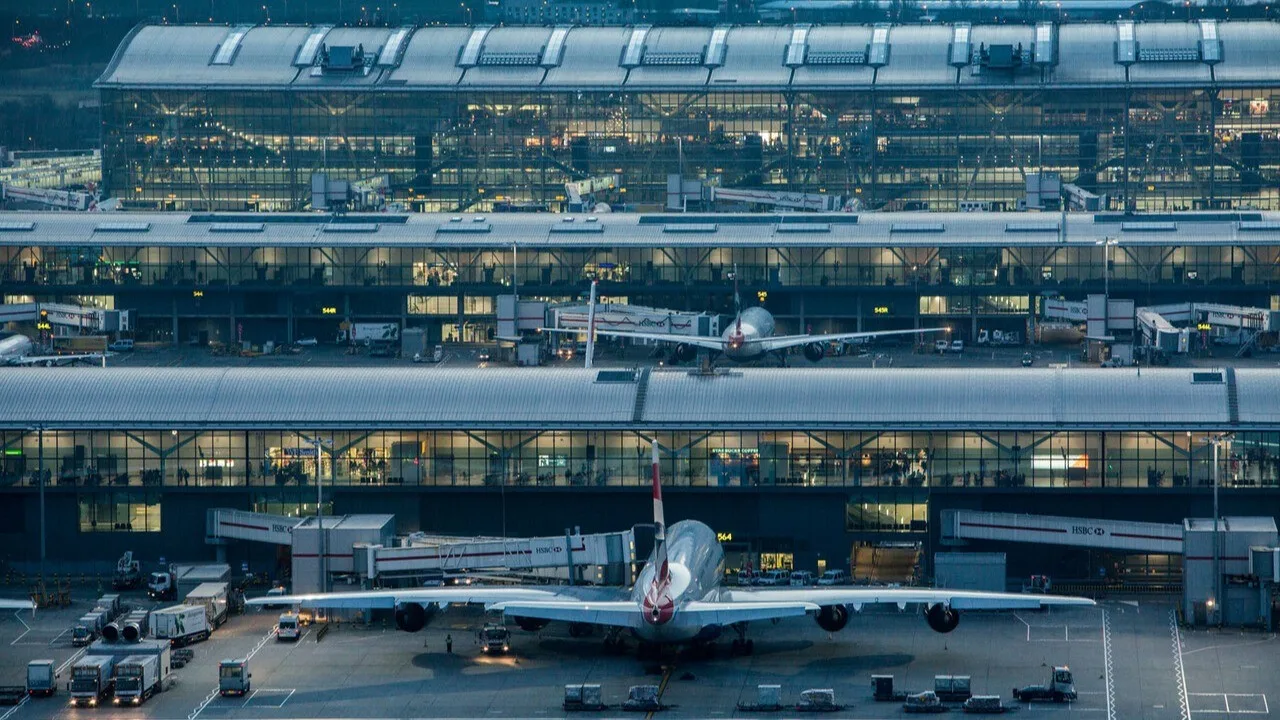
On March 21, 2025, Heathrow Airport faced a defining crisis: a catastrophic fire at the North Hyde substation led to a complete shutdown of the airport, affecting over 200,000 passengers and temporarily halting the UK’s air traffic.